What is a charging bag?
A charging bag — sometimes called a LiPo bag or fireproof charging bag — is a small, flexible pouch made from fire-resistant material, typically fibreglass or similar woven fabric. You place your battery inside the bag while it charges. The idea is that if the battery enters thermal runaway, the bag contains the fire and prevents it from spreading.
Charging bags are inexpensive — typically $10 to $50 — and widely available. They’re commonly used by hobbyists charging drone and RC vehicle batteries.
What is a battery safe?
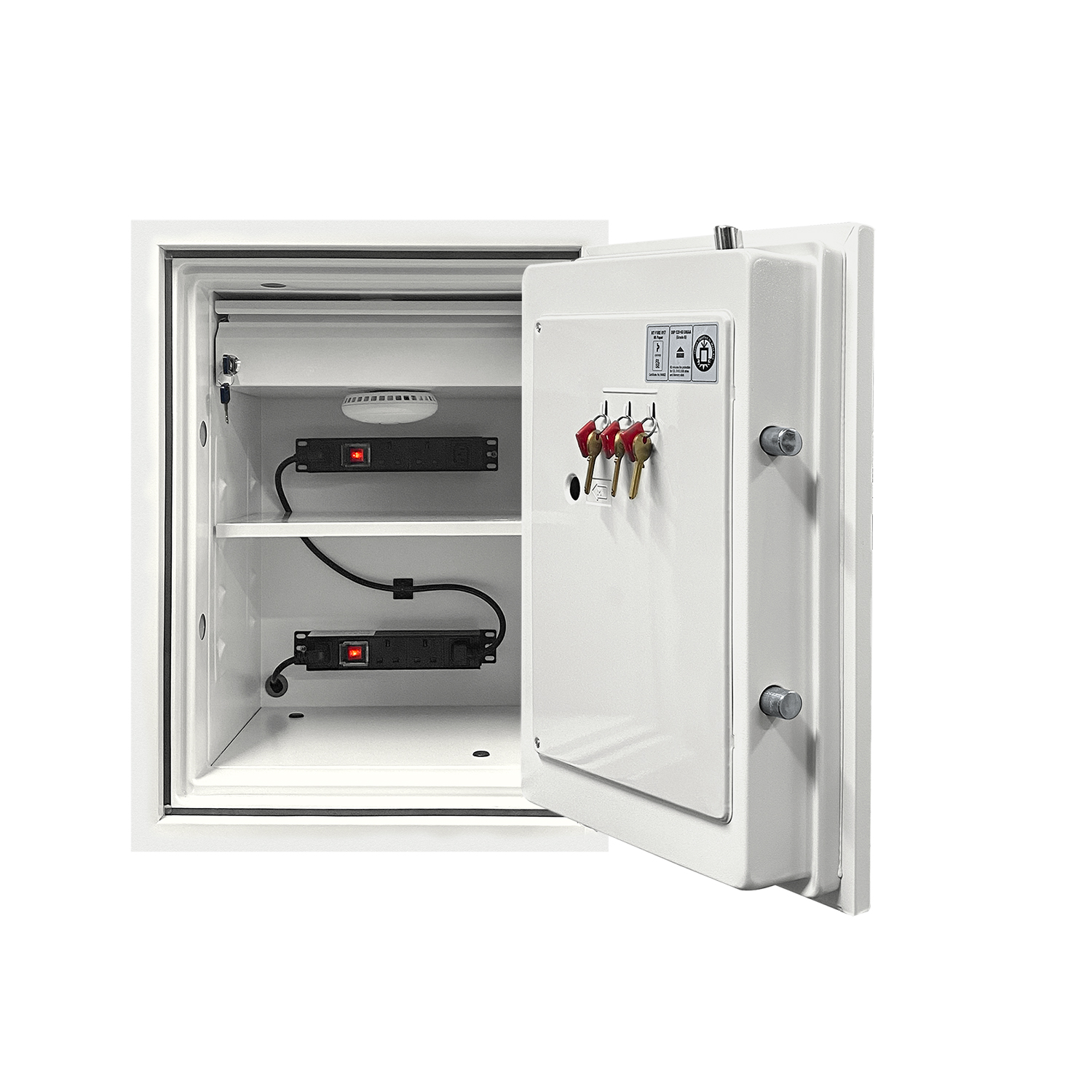
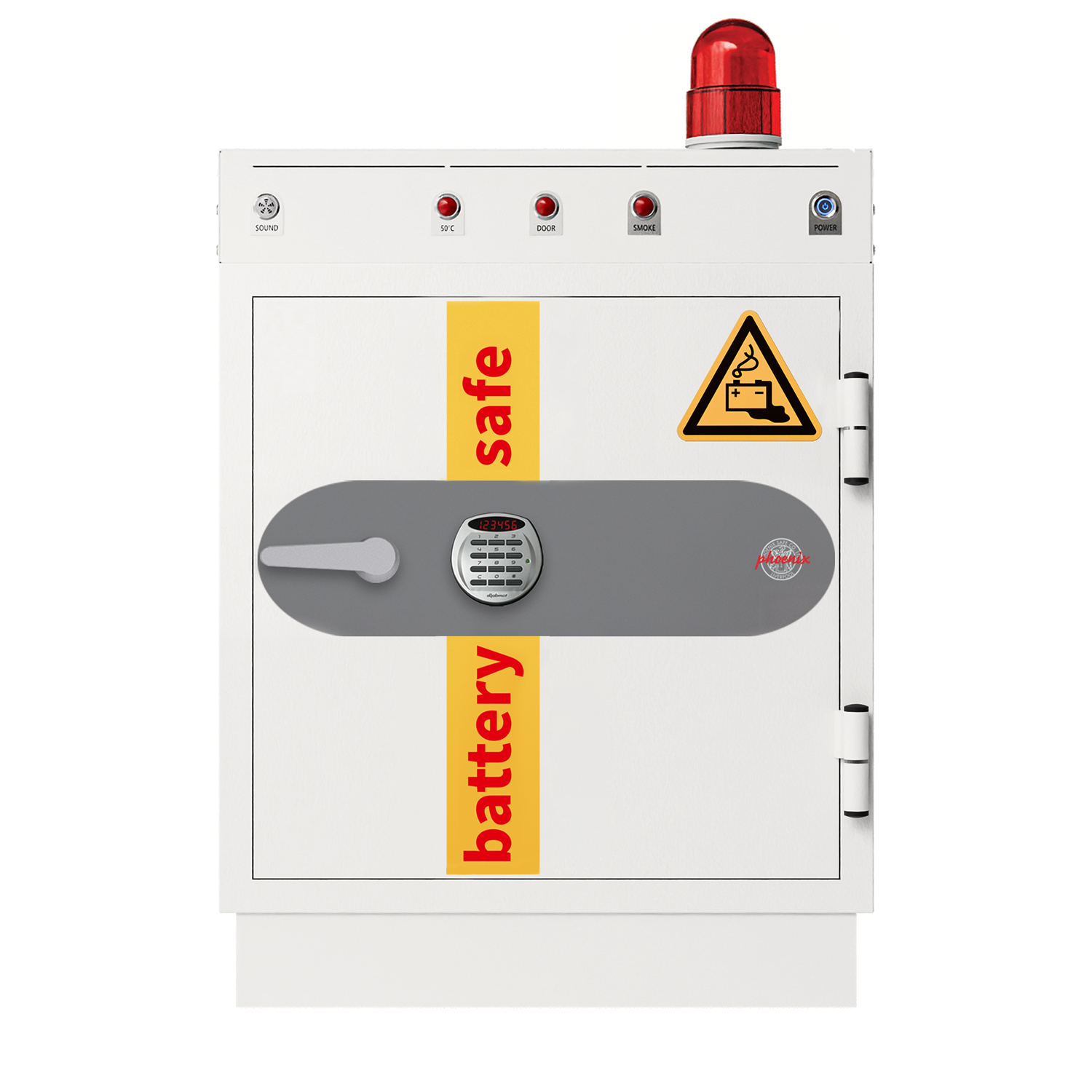
A battery safe is a purpose-built steel cabinet specifically engineered for the storage and charging of lithium-ion batteries. It has reinforced double-wall steel construction, integrated ventilation, built-in power outlets, smoke detection, and in the case of certified models like the Phoenix BS1940 series, independent certification to VDMA 24994:2024-08 — the world’s first dedicated test standard for lithium battery storage cabinets.
Battery safes range from compact residential units to large industrial cabinets capable of storing hundreds of batteries simultaneously.
The key differences
Containment vs protection. A charging bag is designed to contain a thermal runaway event — to stop the fire from spreading beyond the bag. A battery safe is designed to contain the event AND protect the surrounding environment for a defined period, typically 60–90 minutes depending on the model. The difference matters: a charging bag in an enclosed space still fills that space with toxic gases and heat. A battery safe manages ventilation and contains gases within the unit.
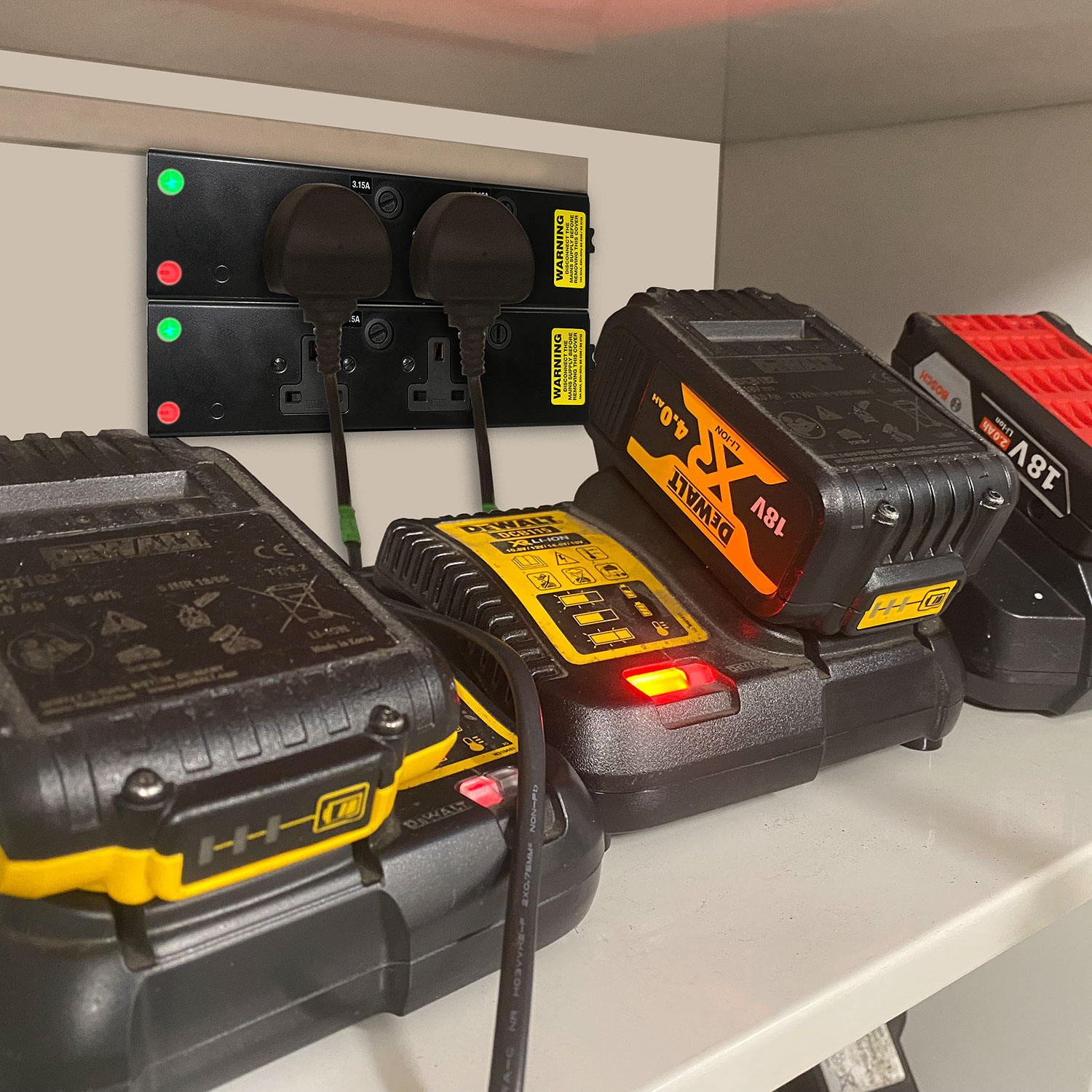
Capacity. A charging bag holds one or two batteries at a time. A battery safe holds anywhere from a handful to hundreds of batteries simultaneously, all of which can be charging at the same time through the integrated power outlets.
Certification. No charging bag holds independent certification to a defined performance standard for thermal runaway containment. Battery safes certified to VDMA 24994:2024-08 have been independently tested by ECB·S against defined criteria for fire resistance, containment performance, ventilation, and electrical safety.
Workplace compliance. A charging bag is a consumer product. For Australian businesses with WHS obligations, a charging bag does not constitute a documented, auditable control measure in the way a certified battery safe does. If a WorkSafe inspector asks what controls you have in place for lithium battery storage, a charging bag in a toolbox is not a defensible answer.
Durability and reliability. Charging bags degrade over time — they can be punctured, torn, or compromised without obvious external signs. A battery safe is a permanent fixture with defined performance characteristics.
So when is a charging bag appropriate?
Charging bags are appropriate for hobbyist use with small lithium polymer batteries — drone batteries, RC vehicle batteries, and similar applications where you’re charging one or two batteries at a time in a supervised setting. For a hobbyist charging a single drone battery at their workbench at home, a charging bag is a reasonable and affordable precaution.
When is a battery safe the right choice?
A battery safe is appropriate for any commercial or workplace application where lithium batteries are being stored and charged regularly. Specifically:
If you’re storing and charging more than a handful of batteries at a time, a charging bag simply can’t scale to the task. If the charging is happening in an unattended environment — overnight, in a storeroom, in a workshop — you need a solution with smoke detection and fire containment that doesn’t rely on someone being present. If your business has WorkSafe obligations, you need a solution that constitutes a documented control measure. If an incident could result in significant property damage, injury, or operational downtime, the cost of a battery safe is modest relative to that exposure.
The cost question
Charging bags cost $10–$50. Purpose-built certified battery safes — such as the Phoenix BS1940 Commander Pro series — are a capital investment. Contact Battery Safes Australia for current quotes by size and configuration.
The question isn’t whether a battery safe costs more than a charging bag — it obviously does. The question is whether the risk you’re managing justifies the appropriate solution. For a hobbyist with two drone batteries, a charging bag may be entirely appropriate. For a construction company with fifty power tool batteries charging overnight on a worksite, a charging bag is not a remotely adequate control measure.
What Australian businesses should know
As lithium battery use grows across Australian worksites, the gap between what people are doing and what WorkSafe considers appropriate is closing. Battery storage is increasingly being called out in workplace safety audits, insurance assessments, and post-incident investigations.
The cost of a battery safe — particularly relative to the cost of a fire, a WorkSafe investigation, or an insurance claim — is modest. The compliance position it provides is clear and documented.
Battery Safes Australia supplies certified Phoenix battery safes across Australia, from compact residential units to large industrial installations. If you’re trying to work out which product is right for your application, contact us or use our battery safe questionnaire — we’ll ask a few questions and point you in the right direction.