While these batteries provide flexibility and efficiency, they also require careful management. Improper storage or charging can increase the risk of overheating, battery failure, or fire.
Understanding how to safely store and charge lithium batteries is an important step in maintaining a safe workplace.
The Risks of Improper Battery Storage
Lithium batteries are designed to be stable during normal operation. However, when they are damaged, exposed to heat, or incorrectly charged, the internal chemical reactions inside the battery can become unstable.
If a battery enters thermal runaway it can release intense heat, flames, and flammable gases.
When batteries are stored close together, a failure in one battery can quickly spread to others nearby.
For workplaces storing dozens or even hundreds of batteries, this can lead to a rapid escalation of a fire event.
Best Practices for Lithium Battery Storage
To reduce the risks associated with lithium battery storage, workplaces should consider several key practices.
Batteries should be stored in a cool, dry location away from flammable materials. Excessive heat can damage batteries and increase the likelihood of failure.
Damaged or swollen batteries should be removed from service immediately and handled according to appropriate disposal procedures.
Where possible, batteries should be stored with protective covers on terminals to prevent short circuits.
It is also important to avoid stacking batteries loosely together, as physical contact between batteries can cause damage over time.
Safe Battery Charging Practices
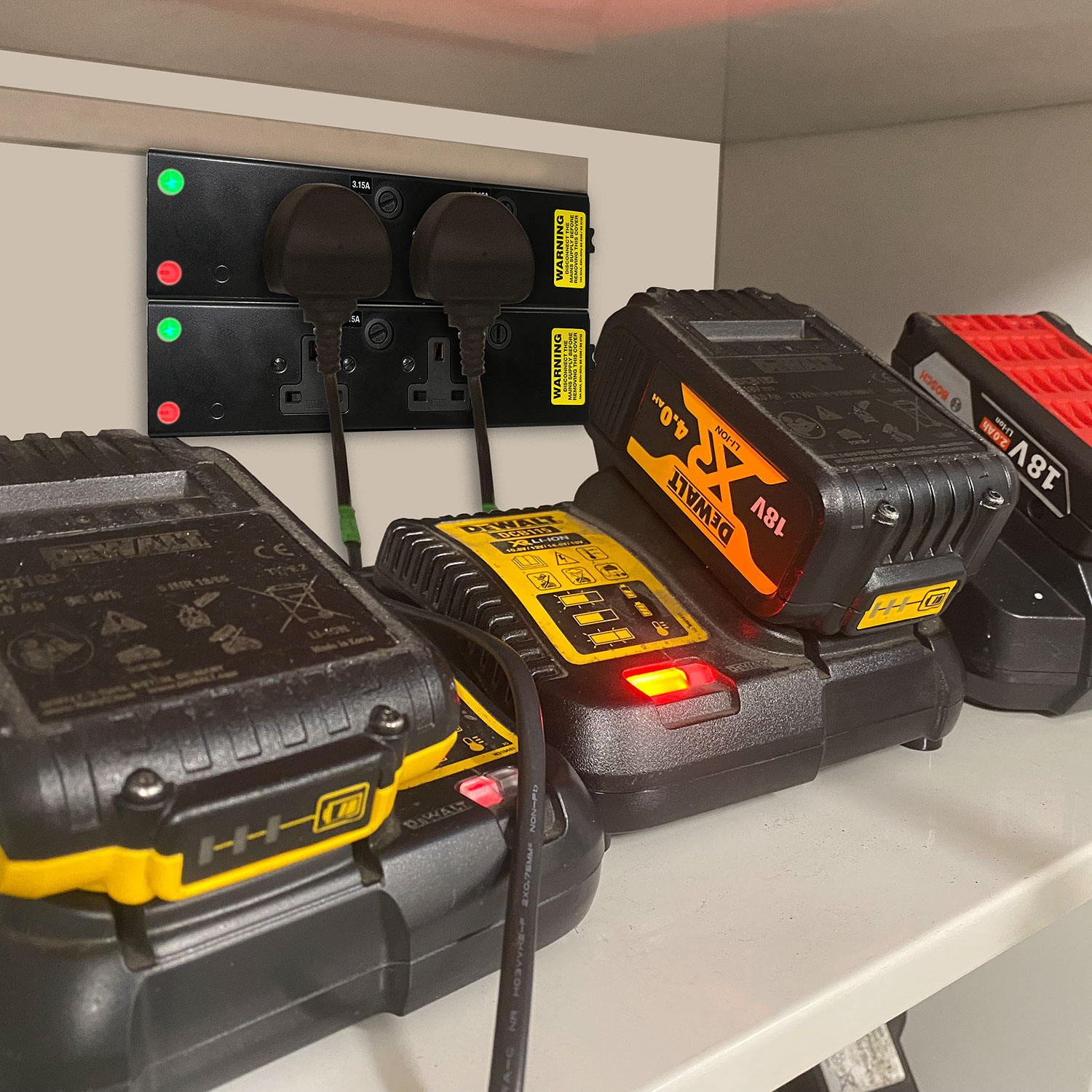
Charging is one of the most common times for battery incidents to occur.
To reduce risks during charging, workplaces should:
• Use only manufacturer-approved chargers
• Avoid charging batteries unattended for long periods
• Keep charging areas clear of combustible materials
• Ensure batteries are not damaged before charging
• Allow batteries to cool before recharging after heavy use
Charging large numbers of batteries in open areas can increase the risk if a failure occurs.
Why Dedicated Battery Charging Cabinets Are Becoming More Common
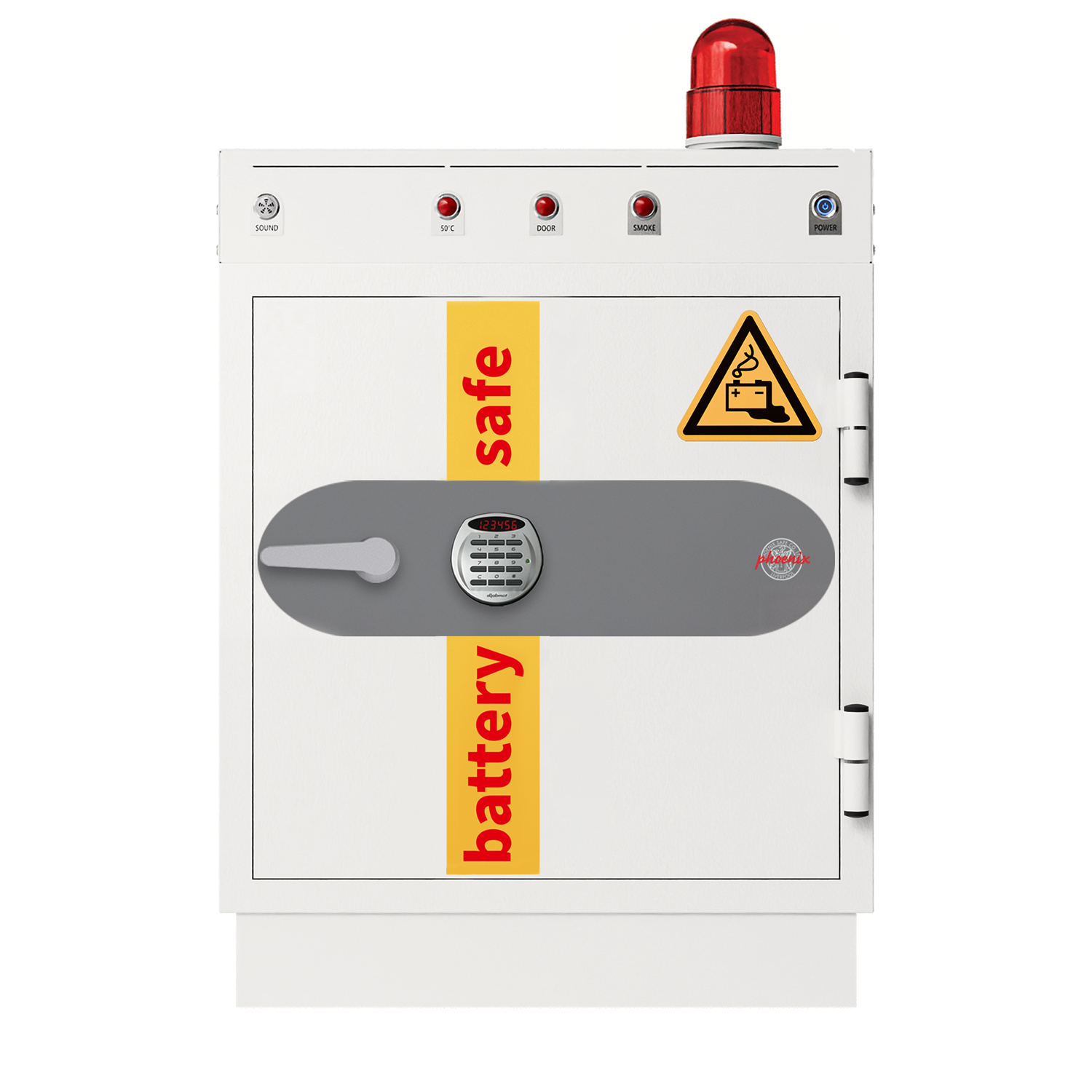
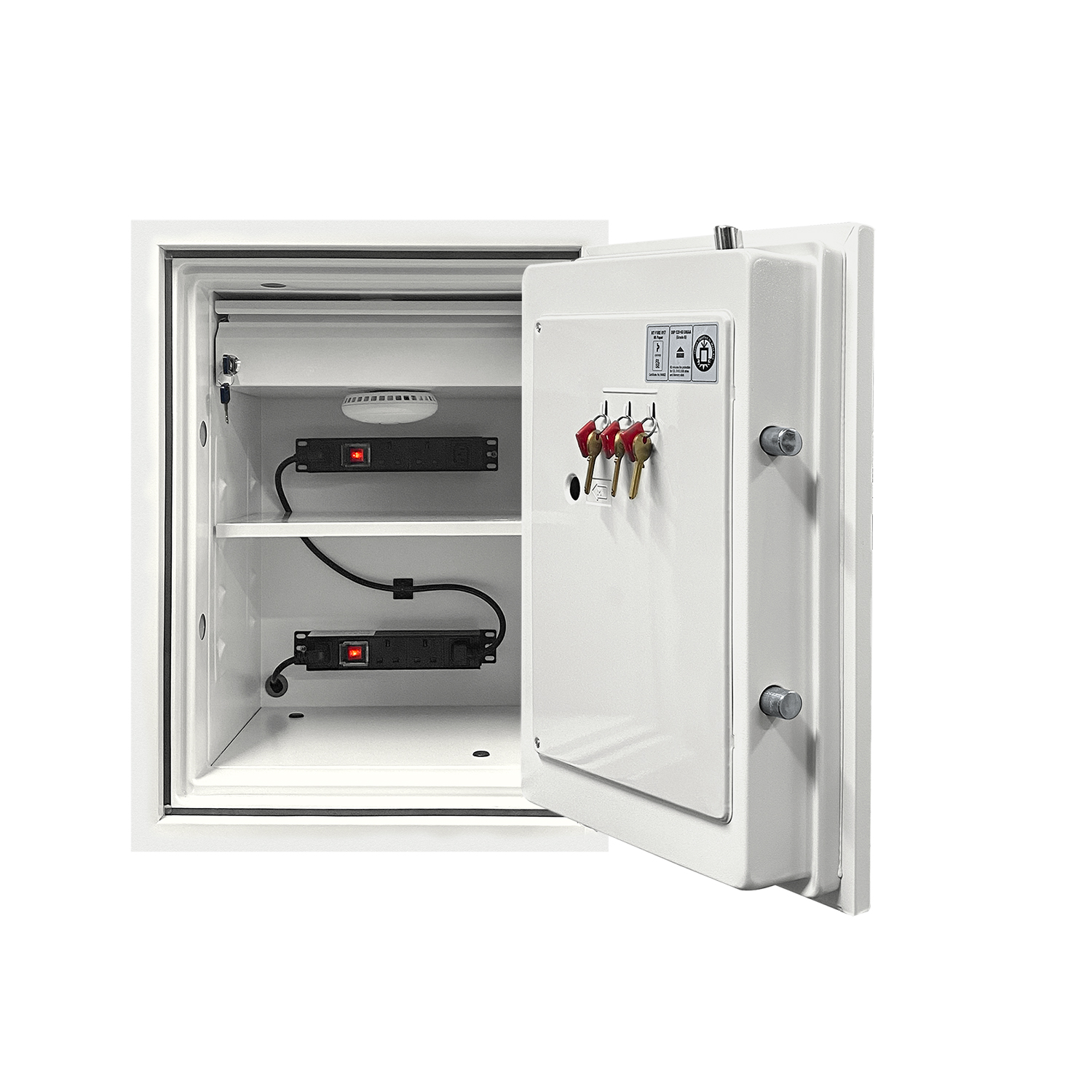
Many organisations are now introducing dedicated battery charging cabinets to create a controlled environment for charging and storage.
These cabinets are designed to contain battery failures and limit the spread of heat and flames. Some models include fire-resistant construction, ventilation systems, and monitoring features that provide an additional level of protection.
By placing batteries inside a purpose-built cabinet during charging, businesses can significantly reduce the risk of a battery incident affecting surrounding equipment or buildings.
Supporting Safer Workplaces
Lithium battery technology is not going away. In fact, its use across industry continues to grow rapidly.
The key to managing this technology safely lies in understanding the risks and implementing practical safety measures.
Simple steps such as proper storage, careful charging practices, and the use of specialist battery storage solutions can make a significant difference in reducing the likelihood and impact of battery incidents.
For workplaces that rely heavily on battery-powered equipment, investing in safe storage and charging systems is an important part of responsible operational management.
Improve Battery Safety in Your Workplace
As lithium battery use continues to grow across industry, many organisations are reviewing how batteries are stored and charged.
Phoenix Battery Safes provide a practical solution designed to help contain battery incidents and improve workplace safety.
If your team uses lithium battery equipment, Battery Safes Australia can help you find the right storage solution.
Contact us today to request a quote or speak with our team about Phoenix Battery Safes.