Why lithium batteries are different
Standard batteries fail quietly. Lithium batteries can fail violently.
The technical term is thermal runaway — a chain reaction inside the battery cell triggered by heat, physical damage, or a manufacturing fault. When it starts, the battery rapidly generates more heat than it can release. Temperature escalates within seconds. The cell vents toxic gases. Then it ignites — and the fire it produces burns at temperatures that standard extinguishers can’t control.
What makes this particularly dangerous on worksites is that the triggers are everywhere. A battery dropped from height. A battery stored in a hot ute tray on a 40-degree Perth summer day. A battery with a hairline crack in the casing that nobody noticed. A battery being charged overnight in the tool shed with no one around.
None of these scenarios are unusual. All of them can trigger thermal runaway.
The three situations where battery incidents happen most
Understanding when incidents happen helps you design a worksite approach that actually reduces risk.
During charging. The majority of serious lithium battery incidents occur while the battery is on charge. A charging battery generates heat. If that heat isn’t managed — if the battery is in an enclosed space, buried under other gear, or left charging unattended overnight — the risk is significantly elevated. Charging a battery inside a vehicle, in a toolbox, or on a timber shelf is not a safe practice.
After physical damage. A battery that has been dropped, crushed, or punctured may appear fine immediately after the impact. Internal damage to the cell structure isn’t visible from the outside. A damaged battery can enter thermal runaway hours or days after the incident that caused the damage. Any battery that has taken a significant impact should be removed from service and stored in a safe location away from flammable materials until it can be inspected or disposed of.
In high temperatures. Lithium batteries are temperature-sensitive. Storing them in direct sunlight, in the back of a ute, or in an unventilated shed during Australian summer significantly increases failure risk. Heat accelerates chemical degradation inside the cell and lowers the threshold for thermal runaway.
What WorkSafe expects from Australian businesses
WorkSafe authorities across Australia require businesses to identify and manage workplace hazards under WHS legislation. Lithium battery storage and charging is increasingly being treated as a formal workplace hazard — not just an informal risk.
What this means in practice is that you need to be able to demonstrate that you’ve assessed the risk and implemented appropriate controls. “We’ve always done it this way” is not a defensible position if an incident occurs and WorkSafe investigators ask what storage and charging procedures were in place.
For small operators with a handful of batteries, appropriate controls might be as simple as a documented procedure for charging only in designated areas away from flammable materials. For larger operations with dozens or hundreds of batteries in daily use, a purpose-built battery safe is the appropriate control measure.
What a battery safe actually does
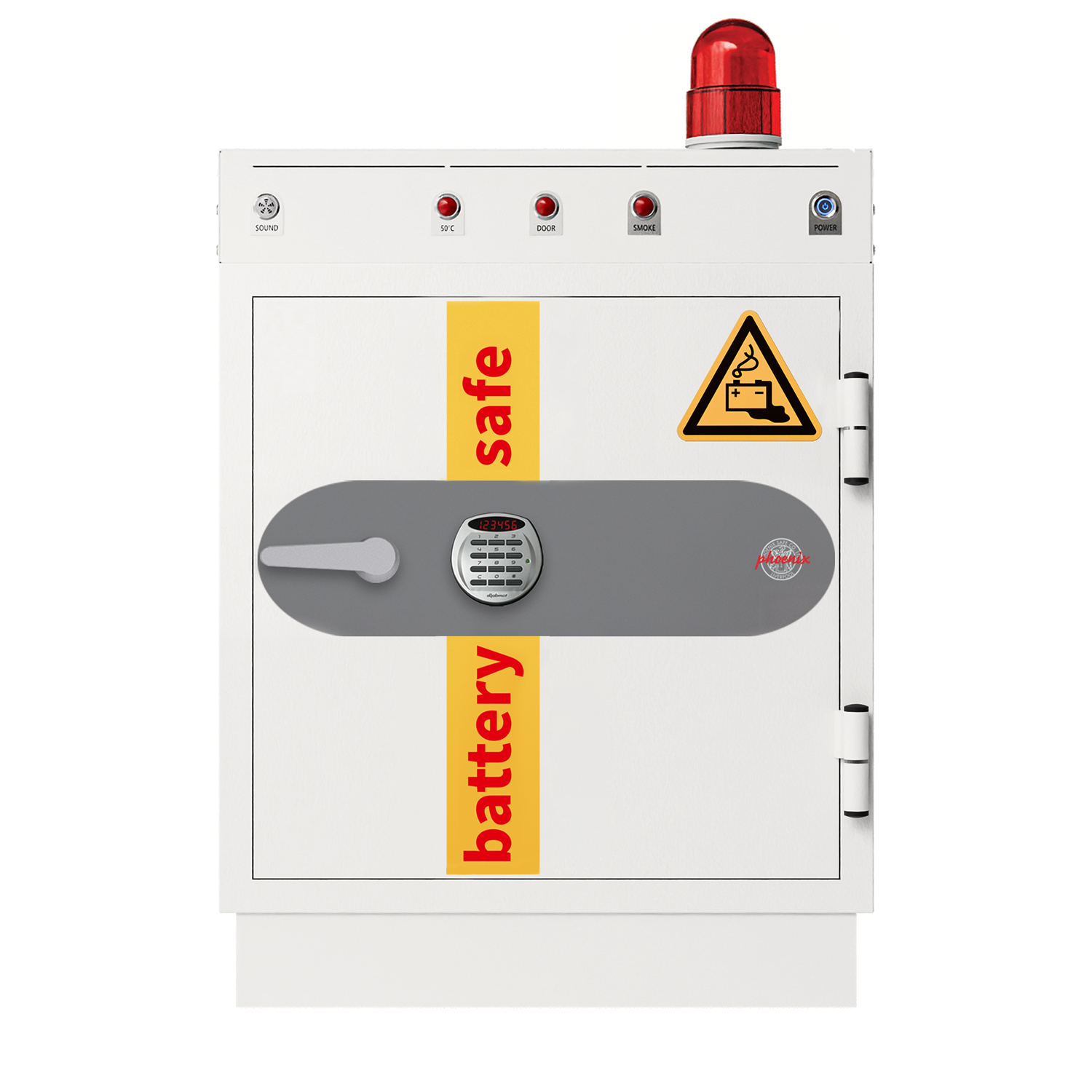
A battery safe is not a modified filing cabinet or a repurposed gun safe. It is a purpose-built containment unit specifically engineered for lithium battery storage and charging.
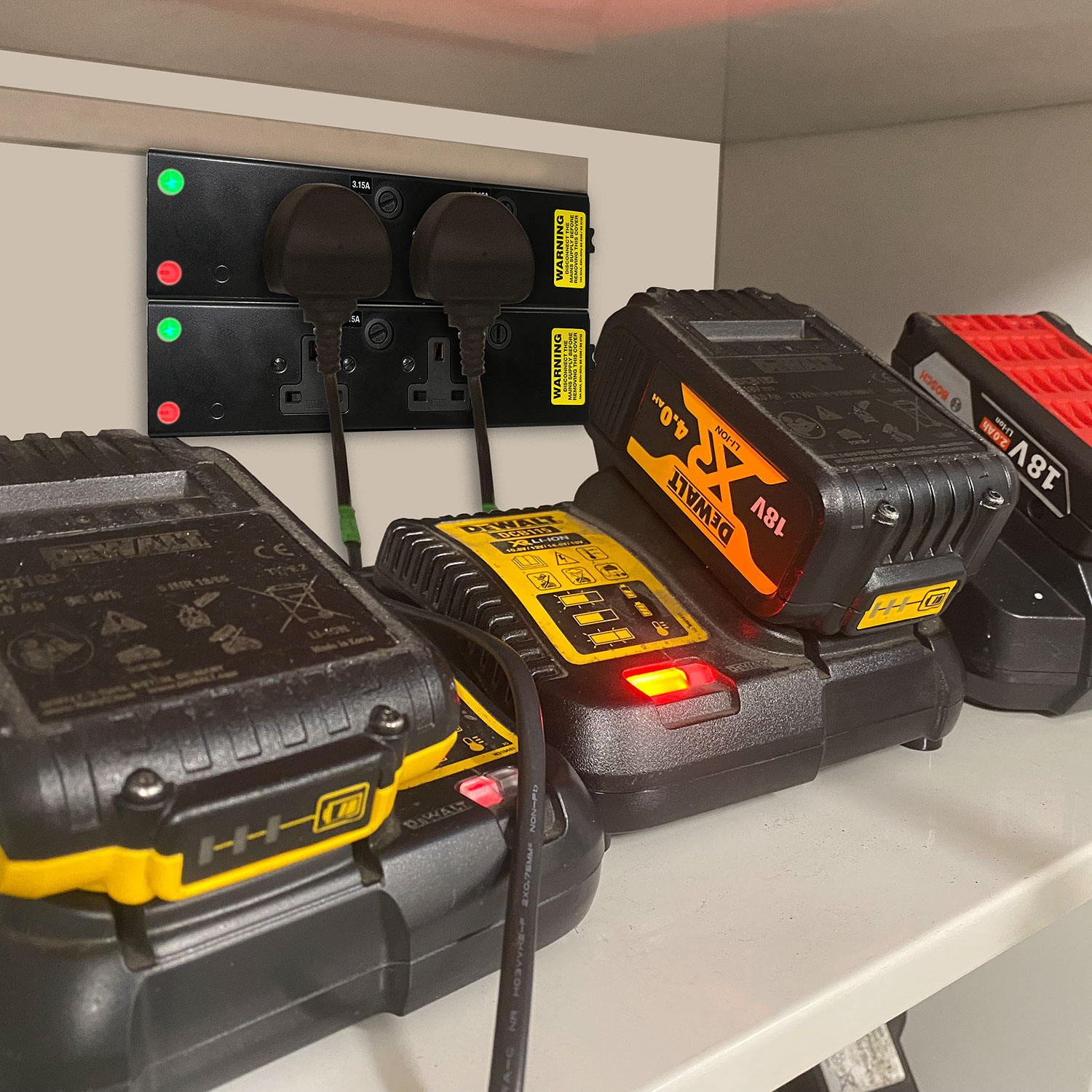
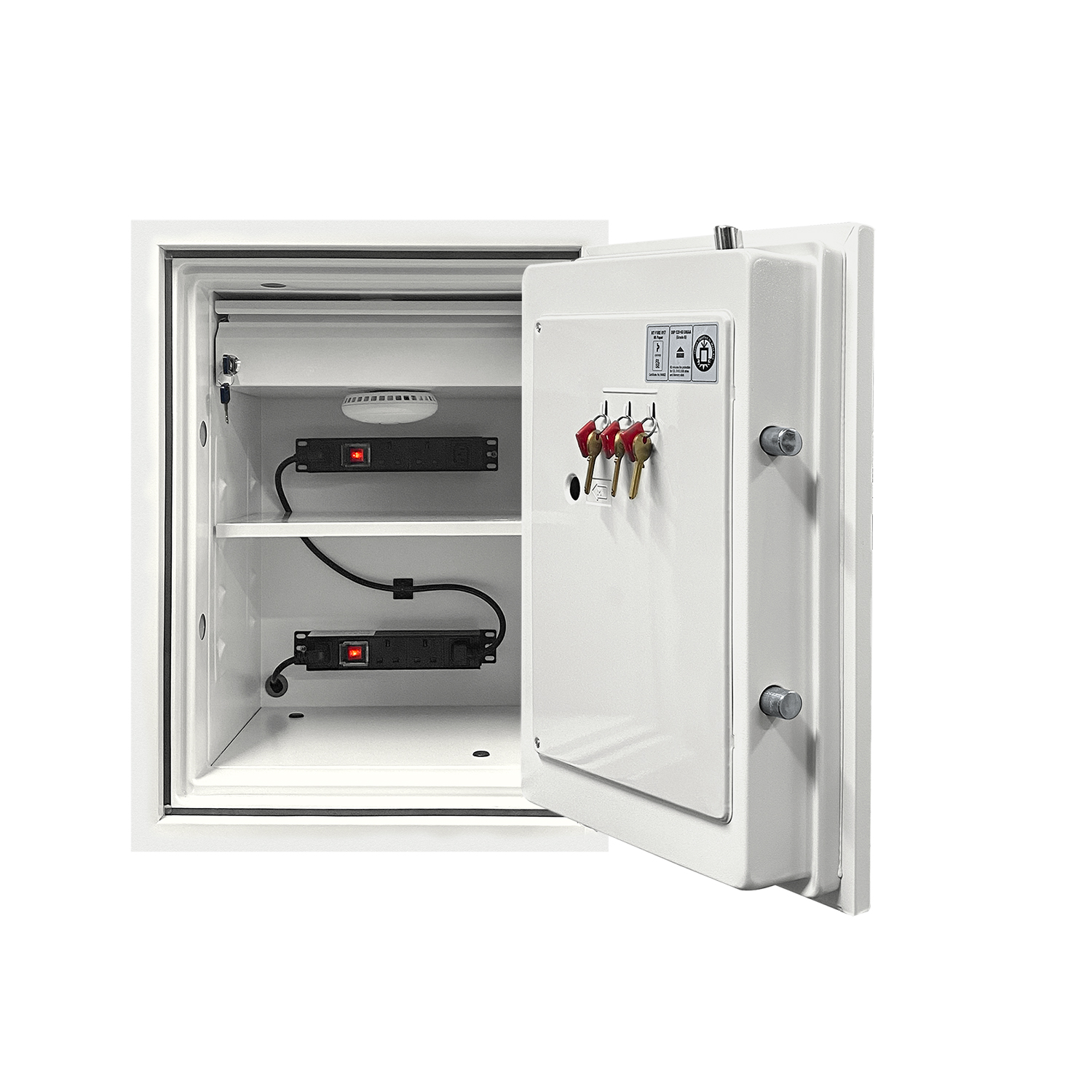
Key features of a certified battery safe include reinforced double-wall steel construction tested for fire resistance and impact, integrated ventilation to manage heat and gases produced during charging, built-in power outlets so batteries can be charged safely inside the cabinet, and an integrated smoke detector and alarm.
The function of a battery safe in a thermal runaway scenario is containment. It doesn’t prevent a battery from faulting — no product can guarantee that. What it does is contain the event, prevent the fire from spreading to surrounding materials, and give people time to evacuate and emergency services time to respond.
For businesses with a formal WorkSafe audit obligation, specifying a certified battery safe — particularly one certified to VDMA 24994:2024-08, the world’s first independent test standard for this product category — provides a documented, defensible basis for your battery storage approach.
Practical steps for Australian worksites right now
You don’t need to wait for a WorkSafe visit or an incident to improve your battery storage practices. Here are five things you can implement immediately:
Designate a charging area. Identify a specific location for battery charging that is away from flammable materials, has adequate ventilation, and is not in an enclosed space. Never charge batteries in vehicles, toolboxes, or storage areas overnight.
Remove damaged batteries from service. Implement a simple process for identifying and quarantining batteries that have been dropped or physically damaged. Label them clearly and store them away from other batteries until they can be inspected or disposed of through an appropriate e-waste facility.
Don’t store batteries in hot environments. Keep batteries out of direct sunlight and away from heat sources. In Australian summer conditions, the back of a ute or an unventilated shed can reach temperatures that significantly increase battery failure risk.
Don’t leave batteries charging unattended for extended periods. If you’re charging batteries overnight, do it in a location where an incident won’t go undetected and won’t be able to spread to other materials.
Assess whether a battery safe is appropriate for your operation. If your business regularly stores and charges multiple lithium batteries — particularly on a commercial or industrial site — a purpose-built battery safe is worth serious consideration. The cost is modest relative to the risk it manages and the compliance position it provides.
Battery Safes Australia supplies certified lithium battery storage solutions for Australian worksites. Our range covers applications from small workshops and trade vehicles through to large industrial facilities, including the BS1940 Battery Commander Pro Series, which is independently certified to VDMA 24994:2024-08 by ECB·S — the most rigorous standard available. Contact us to discuss the right solution for your operation.