Across mining, oil and gas, construction, and industrial operations in Western Australia, lithium batteries are helping teams work more efficiently in the field. However, alongside these benefits comes a growing safety concern that many organisations are only beginning to address – the risk of lithium battery fires.
Understanding how these incidents occur, and how they can be managed, is becoming increasingly important for workplace safety.
Why Lithium Batteries Can Be Dangerous
Lithium-ion batteries store a large amount of energy in a compact form. If a battery becomes damaged, overheated, incorrectly charged, or exposed to a manufacturing defect, it can enter a failure condition known as thermal runaway.
Thermal runaway occurs when the internal temperature of a battery rapidly increases, causing a chain reaction that can release extreme heat, flames, and flammable gases. Once this process begins it can spread quickly to nearby batteries or materials.
Unlike many other fires, lithium battery fires are difficult to extinguish and can reignite after appearing to be controlled.
Why the Risk is Increasing
Several factors are contributing to the rise in lithium battery incidents across industrial environments.
First, the number of rechargeable battery systems in workplaces has increased significantly. Many tools, devices, and pieces of equipment that were previously corded are now battery powered.
Second, batteries are often stored or charged in locations that were not originally designed for this purpose. Charging benches, tool storage areas, and equipment rooms may not provide protection if a battery fails.
Third, many organisations store large numbers of batteries in one place. If a single battery fails, the heat and flames can quickly affect other batteries nearby.
For high-value industrial environments such as mining operations or oil and gas facilities, the consequences of a battery fire can include equipment damage, operational downtime, and serious safety incidents.
Common Causes of Battery Incidents
Lithium battery fires can be triggered by several factors including:
• Physical damage to batteries during use or transport
• Overcharging or using incorrect chargers
• Internal manufacturing faults
• Exposure to heat or harsh environments
• Storing large numbers of batteries together
• Charging batteries unattended
In many cases, incidents occur during the charging process.
This is why safe battery charging procedures are becoming an important part of workplace safety systems.
Managing Lithium Battery Risks in the Workplace
Managing lithium battery risks does not mean eliminating battery use. Instead, it involves introducing safer storage and charging practices.
Many organisations are now implementing measures such as:
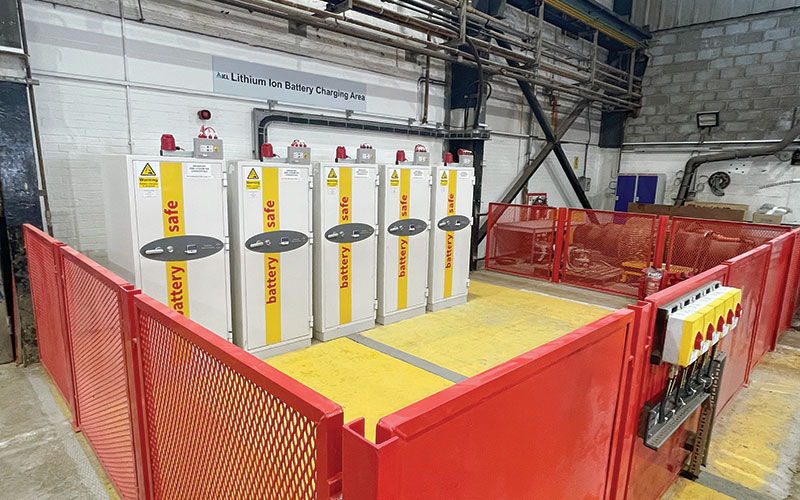
• Dedicated battery charging areas
• Inspection procedures for damaged batteries
• Limiting the number of batteries stored together
• Separating battery storage from critical infrastructure
• Using specialist battery storage cabinets designed to contain fire events
These steps can significantly reduce the potential impact of a battery failure.
The Role of Battery Storage Cabinets
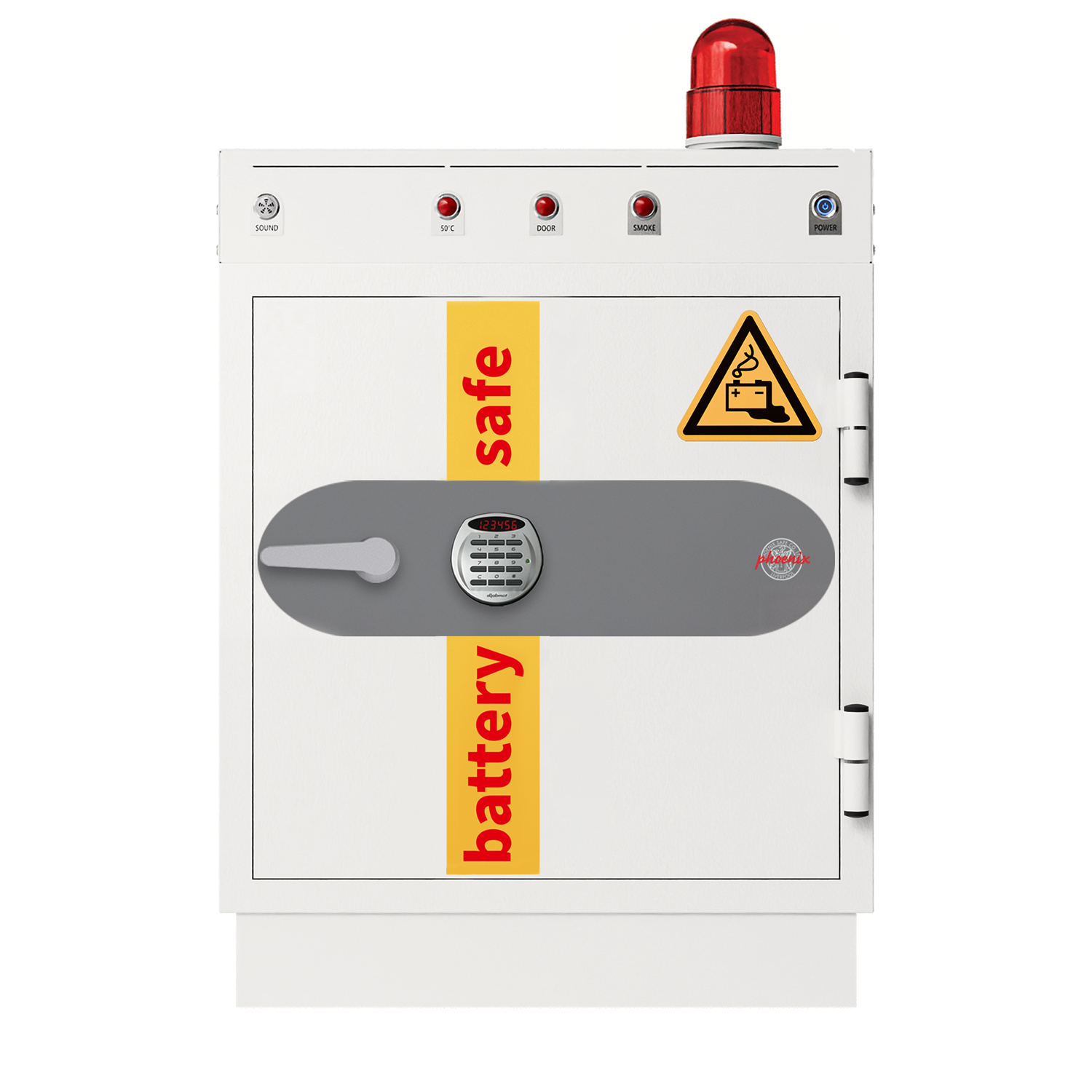
Specialist battery storage cabinets are designed to help contain lithium battery incidents and reduce the risk of fire spreading to surrounding areas.
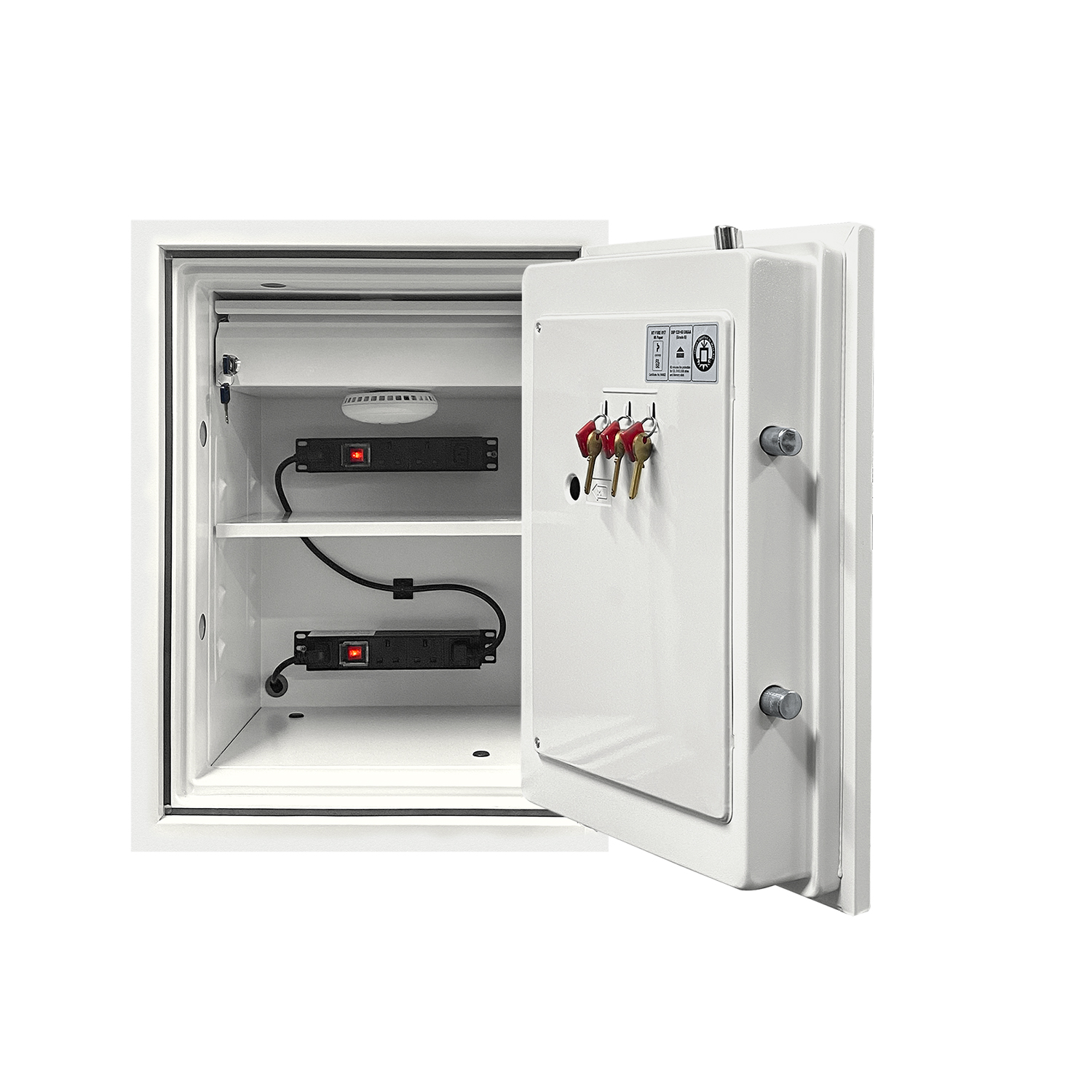
Battery safes typically include fire-resistant construction, ventilation systems, temperature monitoring, and secure locking mechanisms. Some models also allow batteries to be charged safely within the cabinet.
For industrial workplaces where multiple batteries are used daily, these cabinets provide a controlled environment that can help protect people, equipment, and buildings.
A Growing Focus on Battery Safety
As lithium battery use continues to grow across industry, safety standards and workplace practices are evolving to address the associated risks.
For many organisations, introducing dedicated battery storage solutions is becoming an important step in modern safety planning.
By understanding the risks and implementing sensible controls, workplaces can continue to benefit from lithium battery technology while reducing the likelihood of serious incidents.
Need a Lithium Battery Storage Solution?
If your business stores or charges lithium batteries, it may be time to introduce a safer, purpose-built storage solution.
Battery Safes Australia supplies Phoenix Battery Safes across Australia, helping organisations reduce the risks associated with lithium battery charging and storage.
Our team can help you select the right battery safe for your workplace, whether you’re managing batteries in a workshop, warehouse, industrial facility, or remote worksite.
Request a quote today to learn more about Phoenix Battery Safes by Battery Safes Australia.