What is thermal runaway?

Battery Safes - Phoenix Safe Company

Thermal Runaway

What Is Thermal Runaway?

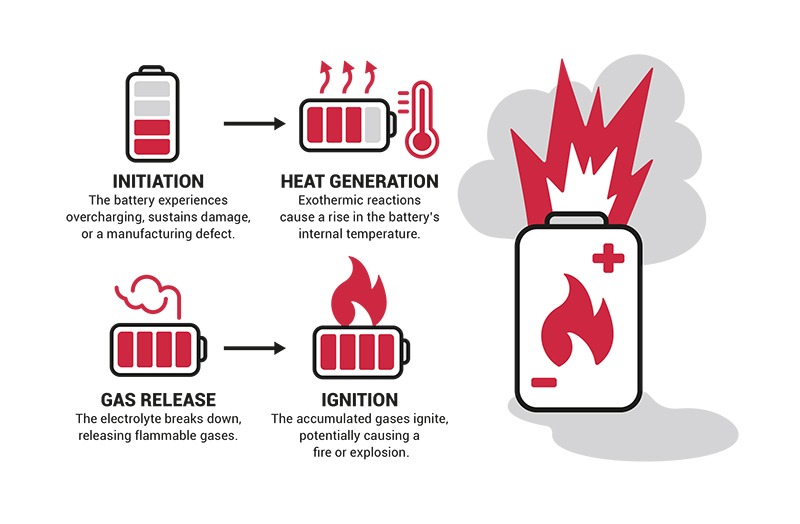
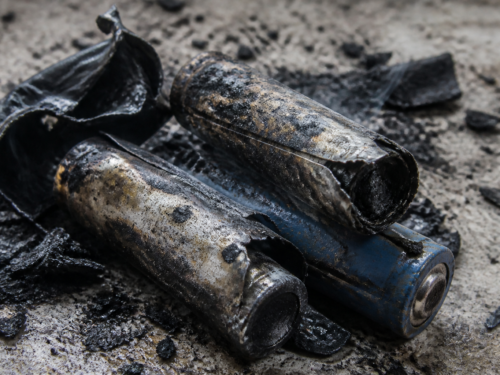
Thermal runaway is the process responsible for most lithium-ion battery fires. It occurs when a battery cell begins to heat uncontrollably and the heat generated inside the battery exceeds the heat that can be safely dissipated. Once this process starts, the temperature can rise rapidly, leading to fire, explosion, and the release of toxic gases.

Because lithium batteries store a large amount of energy in a compact space, a failure inside the battery can quickly trigger a chain reaction that releases that energy all at once.

Phoenix_Runaway_Phoenix-Battery-Safes

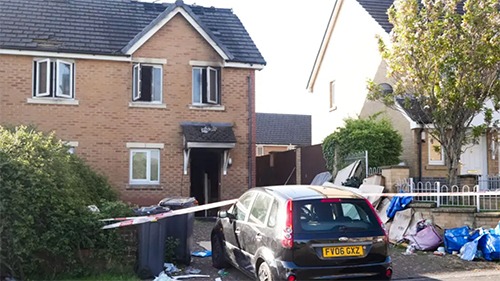
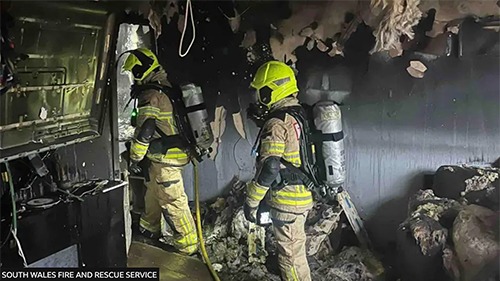
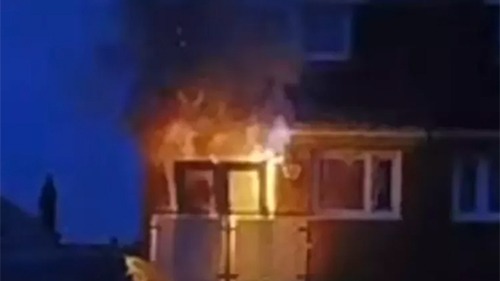
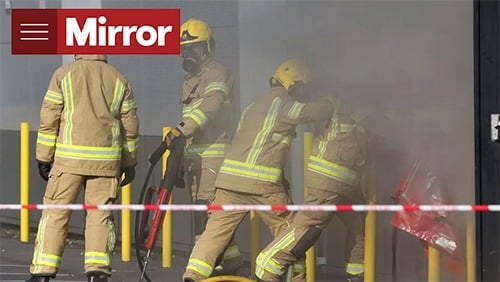
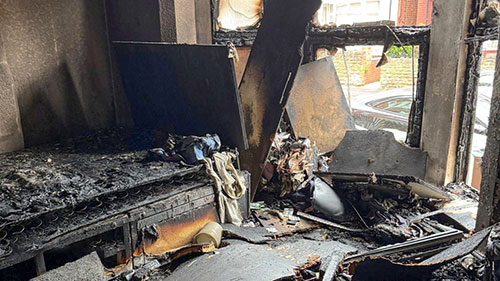
Real-World Incidents

How Thermal Runaway Happens

Inside every lithium-ion battery are multiple cells containing chemical materials that store and release energy. These cells are designed to operate safely under normal conditions, but certain failures can trigger a rapid temperature increase.

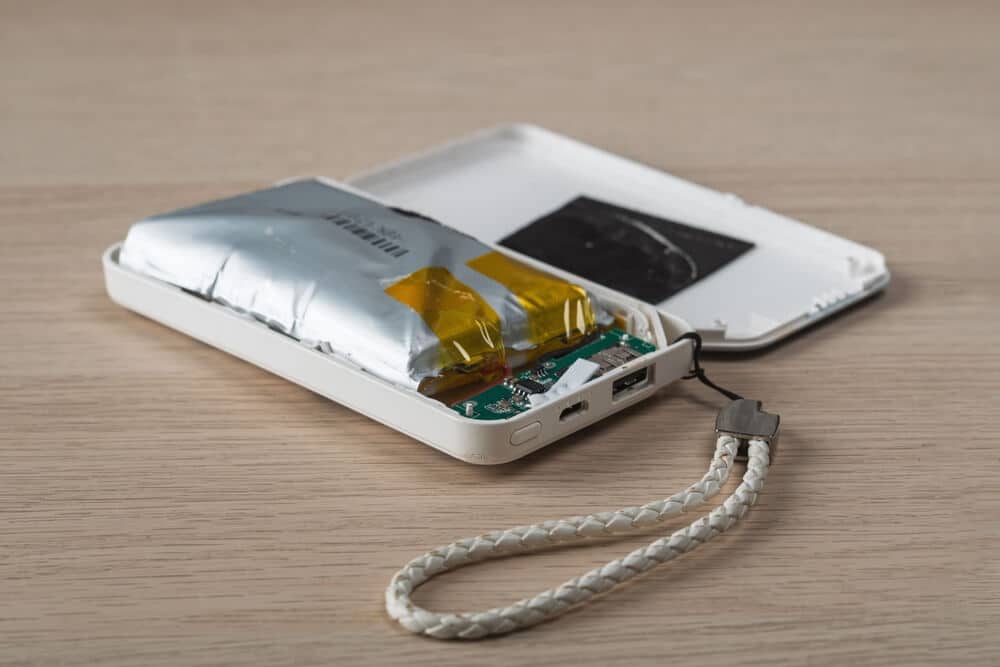
When the temperature inside a battery rises beyond a critical point, chemical reactions begin to produce additional heat. This extra heat accelerates the reaction further, creating a self-sustaining cycle known as thermal runaway.

Once this chain reaction begins, the battery can:

  • Rapidly overheat
  • Vent flammable gases
  • Ignite or explode
  • Trigger nearby batteries to fail

In battery packs or storage environments containing multiple batteries, a failure in one cell can quickly spread to other batteries.

Royal_Navy_drone-storage

What Causes Thermal Runaway?

Thermal runaway can be triggered by several factors, most of which relate to overheating or internal battery damage.

Common causes include:

Physical damage
Dropping, crushing, or puncturing a battery can damage internal components and cause a short circuit.

Overcharging
Charging beyond the battery’s safe limits can generate excessive heat inside the battery.

Internal short circuits
Faults inside the battery can cause the positive and negative electrodes to contact each other, generating rapid heat.

Exposure to heat
High ambient temperatures or storing batteries in hot environments can increase the risk of failure.

Manufacturing defects
Low-quality or damaged cells can fail internally without warning.

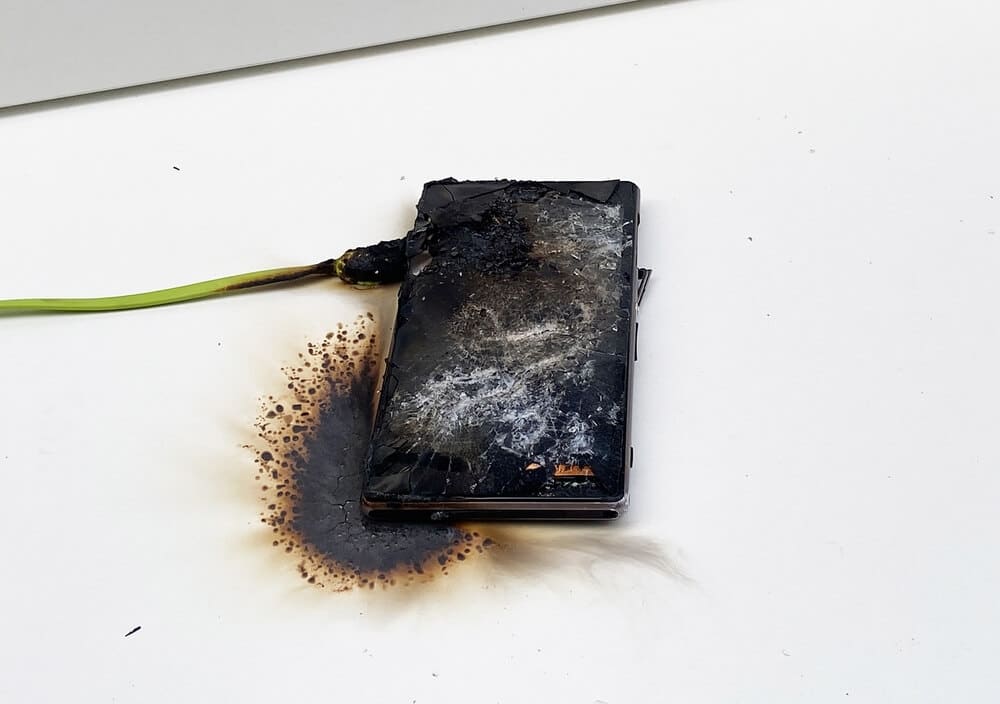
Mobile phone after battery explosion

Why Thermal Runaway Is Dangerous

Unlike many traditional fires, lithium battery fires behave differently.

Thermal runaway can produce:

  • Extremely high temperatures
  • Rapid flame propagation
  • Explosive gas release
  • Toxic smoke and vapours

In many cases, the reaction continues even after the battery has ignited because the chemical reactions inside the battery continue to generate heat.

This is why lithium battery fires are often difficult to extinguish and can reignite after appearing to be controlled.

Why Thermal Runaway Is a Growing Workplace Risk

The use of lithium batteries has increased dramatically across many industries. Workplaces now regularly charge and store batteries used in:

  • Power tools
  • Inspection and survey equipment
  • Drones
  • Communication devices
  • Electric mobility equipment
  • Portable electronics

When multiple batteries are stored or charged in the same area, the consequences of a single failure can be significant. A thermal runaway event can quickly affect surrounding equipment, infrastructure, or personnel.

For this reason, many organisations are now reviewing how batteries are stored and charged within their operations.

Reducing the Risk of Thermal Runaway

While lithium batteries cannot eliminate the possibility of failure entirely, the risk can be reduced through proper handling and storage practices.

Key safety measures include:

  • Inspecting batteries regularly for damage
  • Using approved chargers and equipment
  • Avoiding overcharging or overheating batteries
  • Storing batteries away from flammable materials
  • Charging batteries in controlled environments

Many organisations are also introducing specialised battery storage cabinets designed to help contain a battery incident and reduce the spread of fire.

Battery Safes and Thermal Runaway Protection

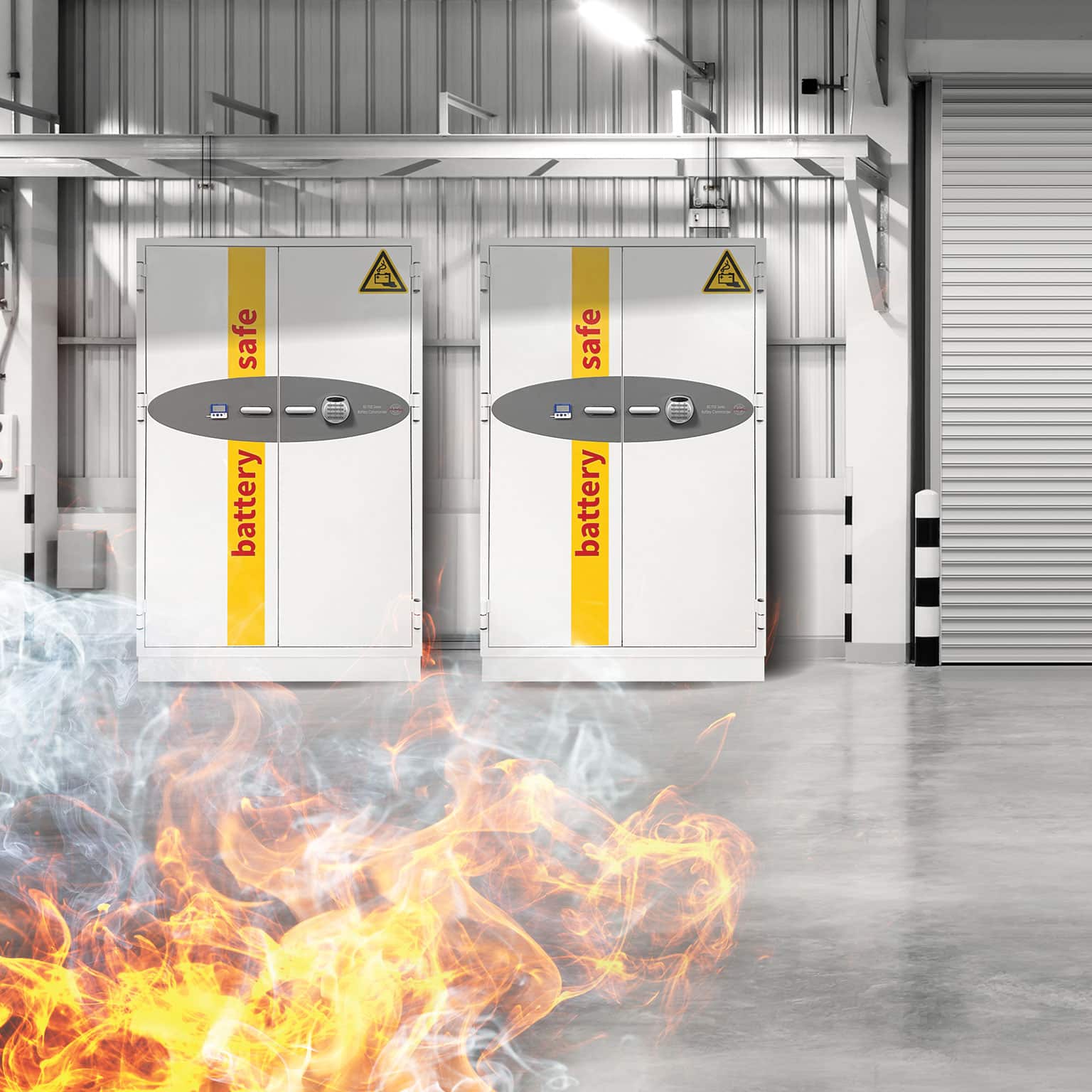
Battery storage cabinets, such as Phoenix Battery Safes, are designed to provide a controlled environment for lithium battery charging and storage.

These cabinets can help reduce risk by:

  • Containing heat and fire if a battery fails
  • Managing gas release and ventilation
  • Preventing the spread of fire to surrounding areas
  • Providing a dedicated space for battery charging

For workplaces that store or charge large numbers of lithium batteries, battery safes provide an additional layer of protection for people, property, and equipment.

Case study Battery Safes Phoenix Safe

Safety Recommendations

Purchase from Reputable Sources
Buy e-bikes, batteries, and chargers from trusted retailers.
Avoid Overcharging
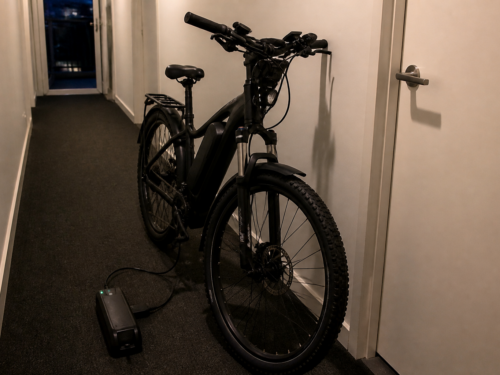
Do not leave devices charging unattended or overnight.
Regular Inspections
Check batteries for signs of damage or swelling.
Proper Storage & Charging
Store batteries in cool, dry places away from flammable materials.
Use Certified Products: Ensure chargers and batteries have appropriate safety certifications.
For a Bespoke Solution – Checkout our Range of Battery Storage and Charging Safes
BS0440 Series
BS1280 Series
BS1930 Series
BS1940 Series

Request a Quote

If your organisation stores or charges lithium batteries, Safe Central can help you introduce a safer storage solution.

Safe Central supplies Phoenix Battery Safes across Australia, designed for industrial, commercial, and residential applications.

Contact our team today to request a quote or discuss the right battery safe for your workplace.

Shopping cart

close